We would like to invite you to the Conference
Past, Present and Perspectives
(CECCEE 2026)
VATRA DORNEI, SUCEAVA COUNTY, ROMANIA, 15-18 OCTOBER 2026
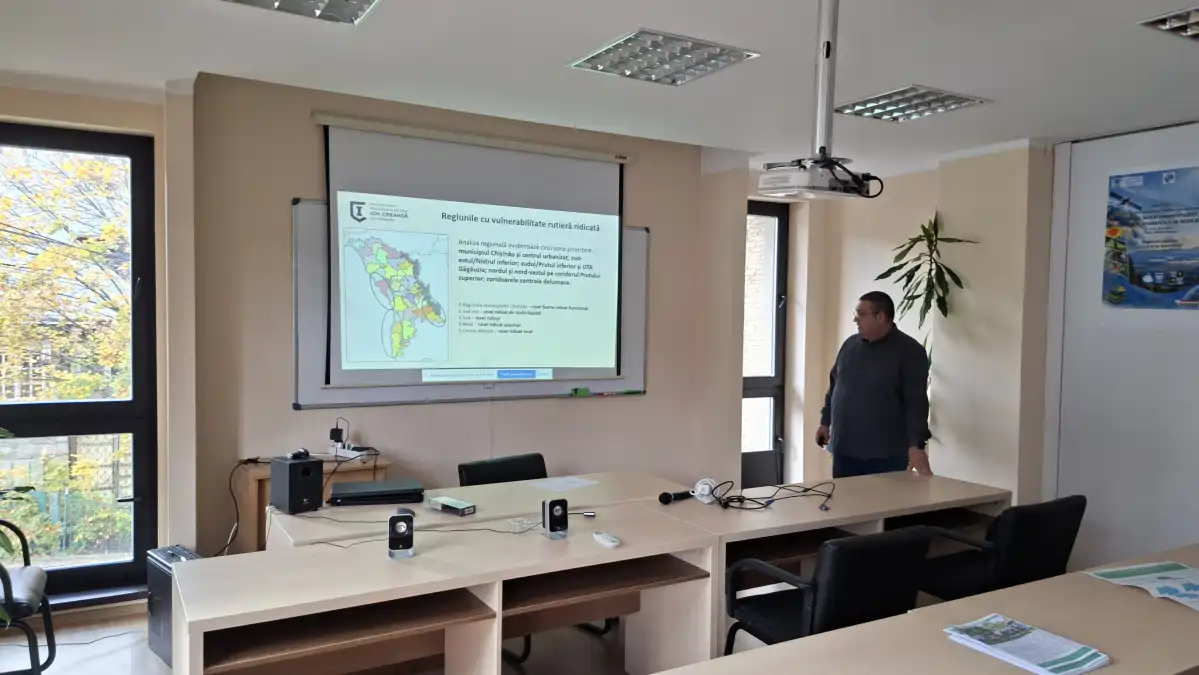
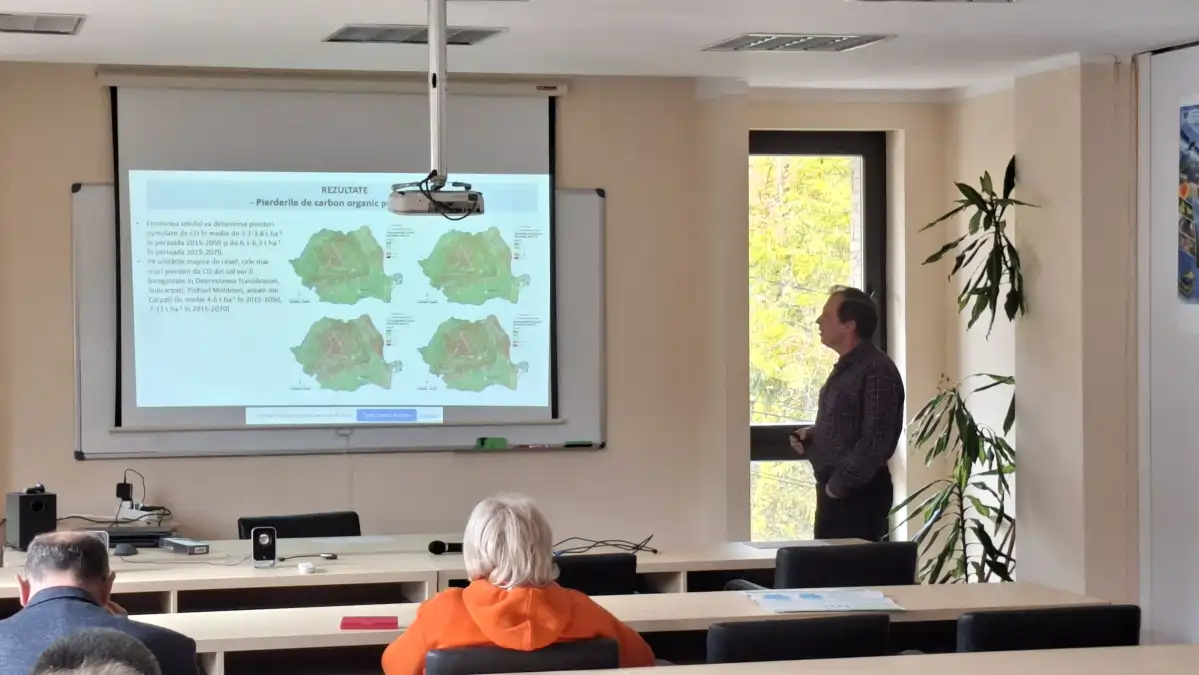
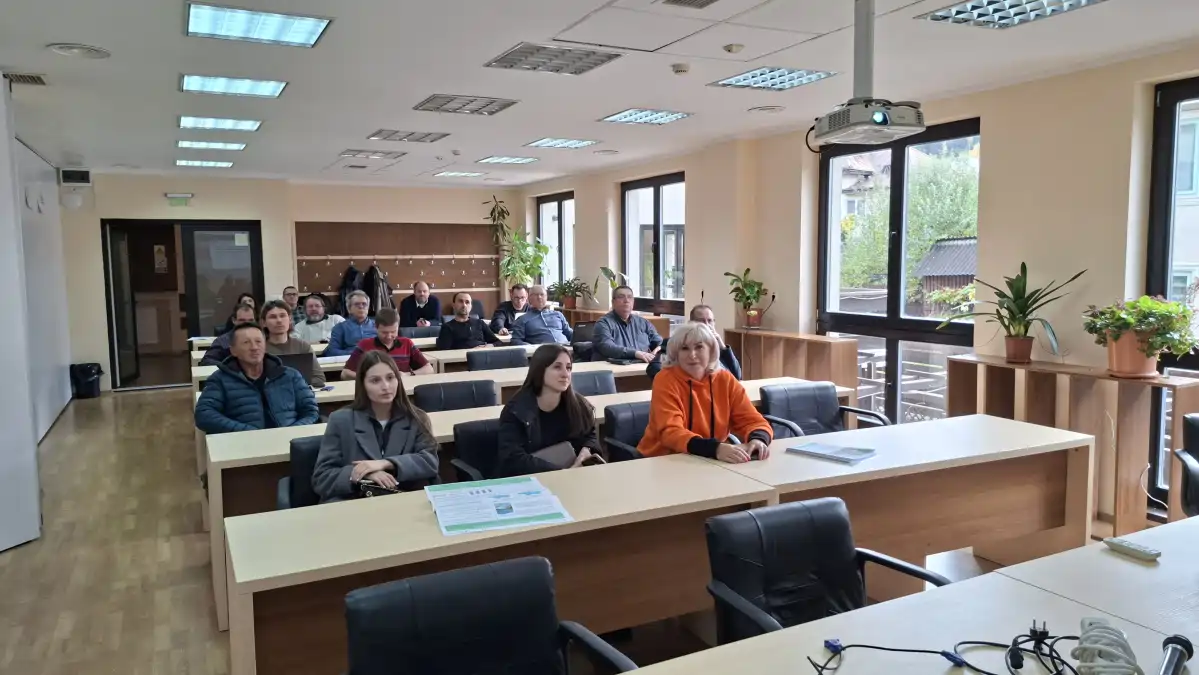
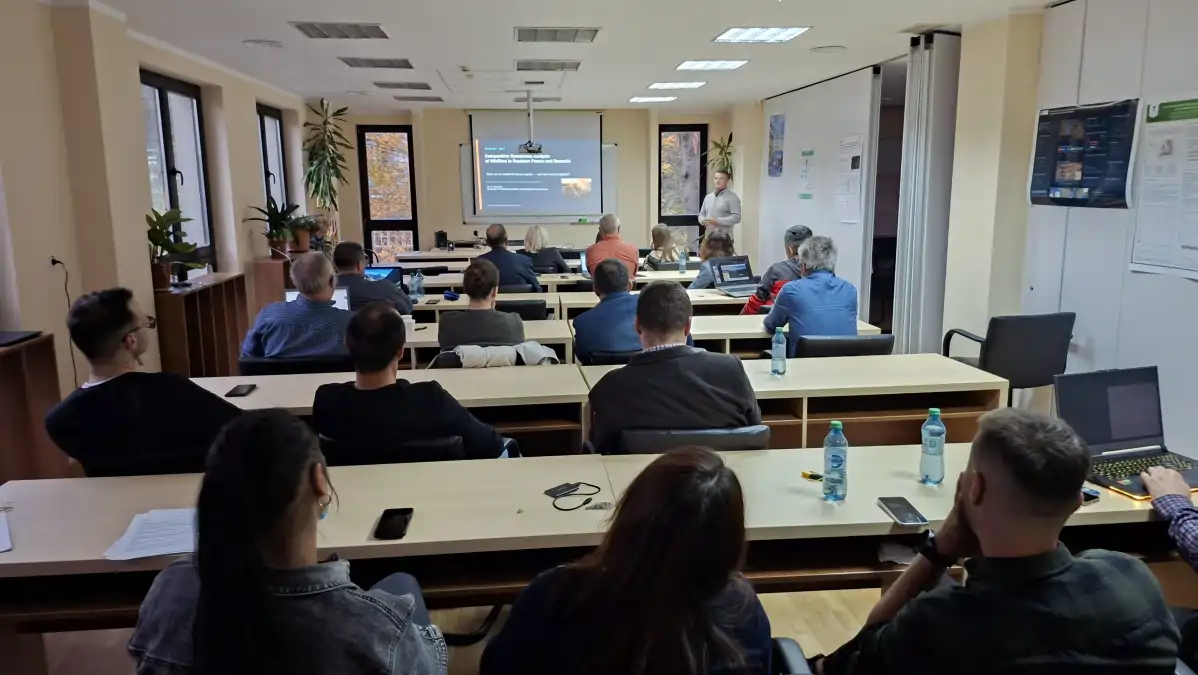
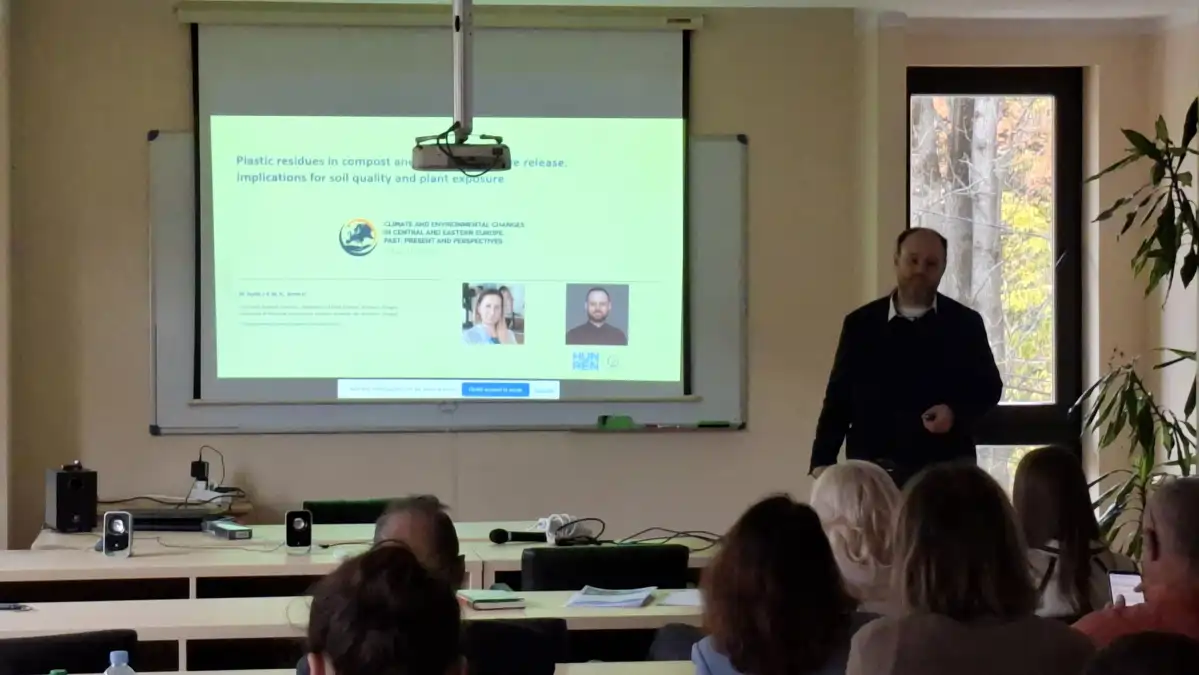
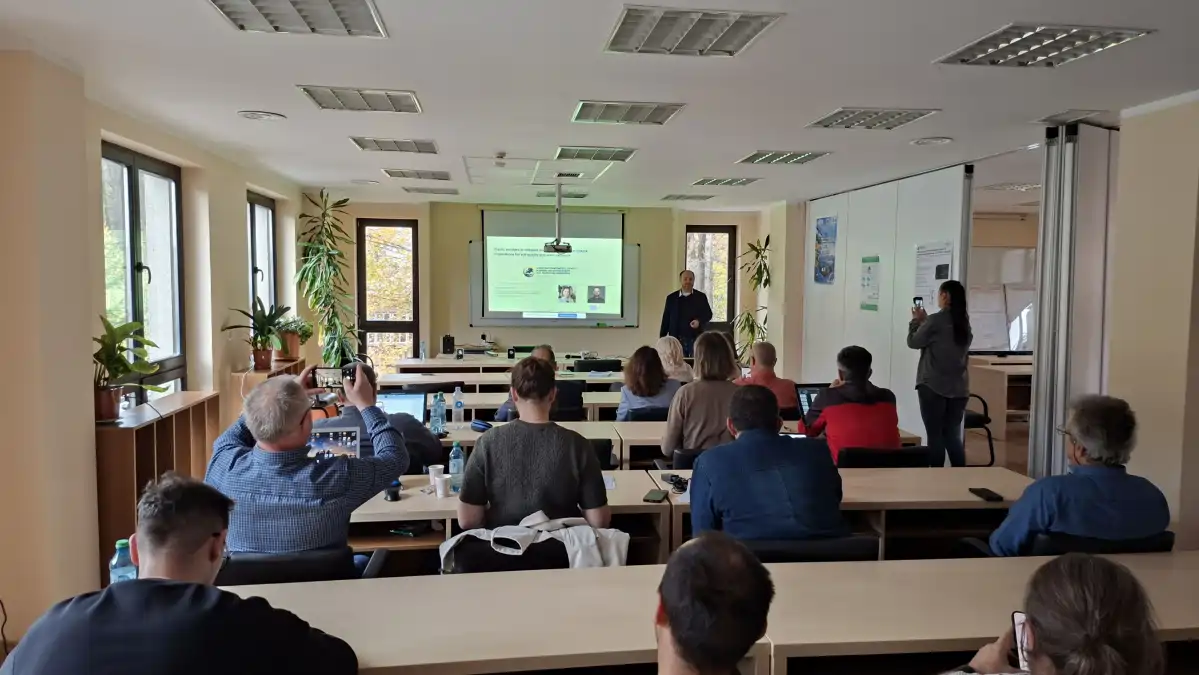
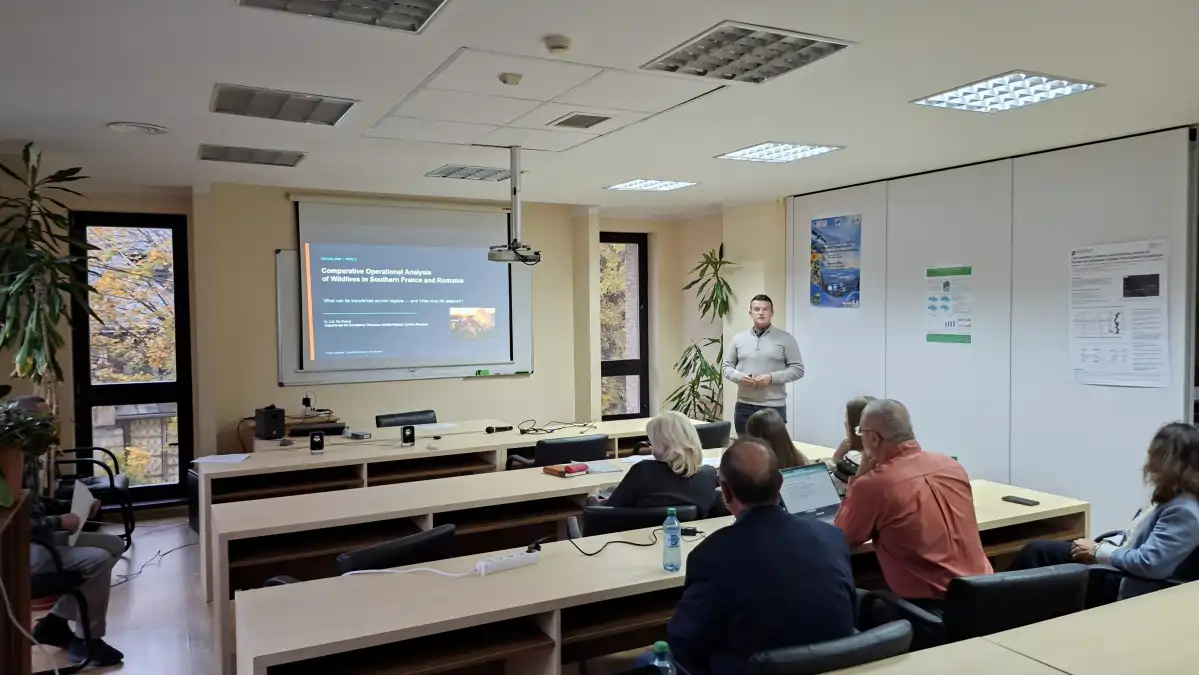
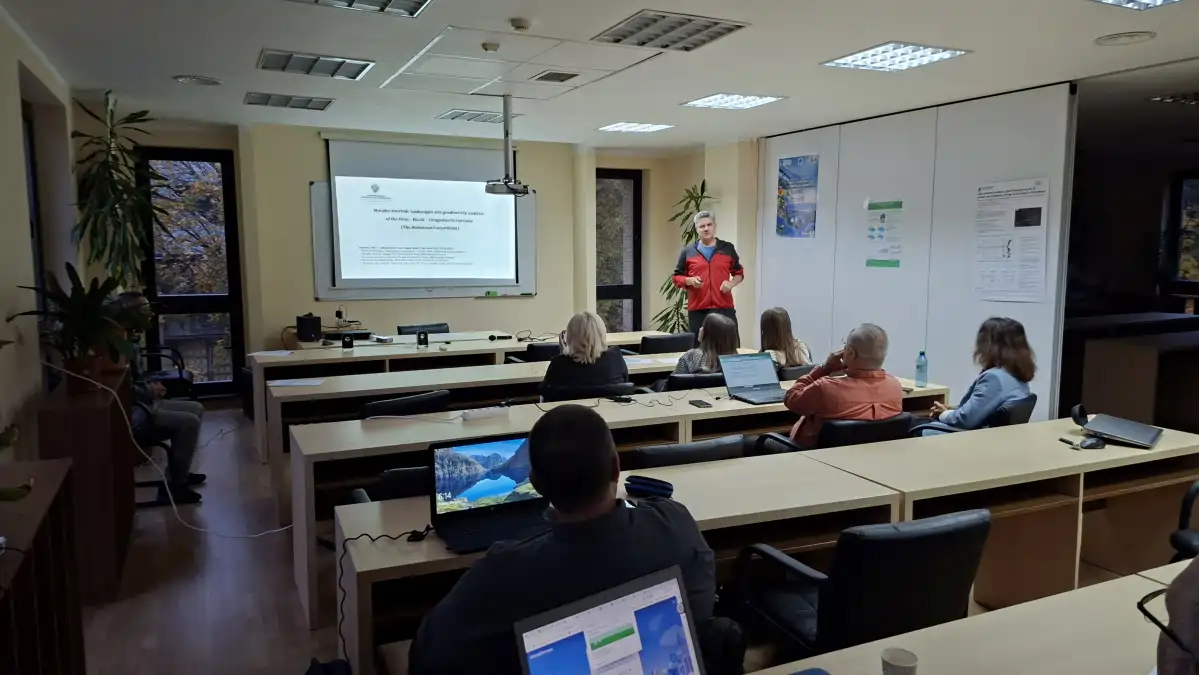
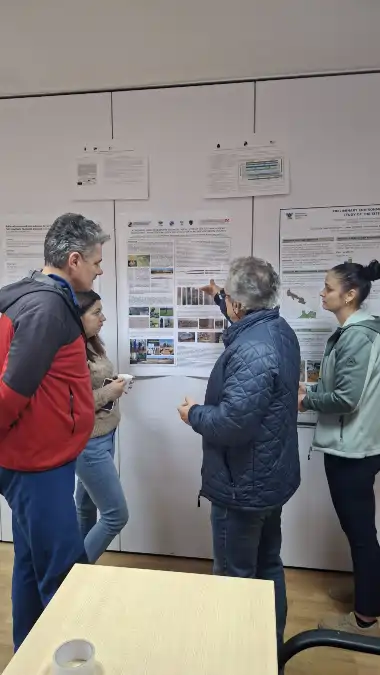
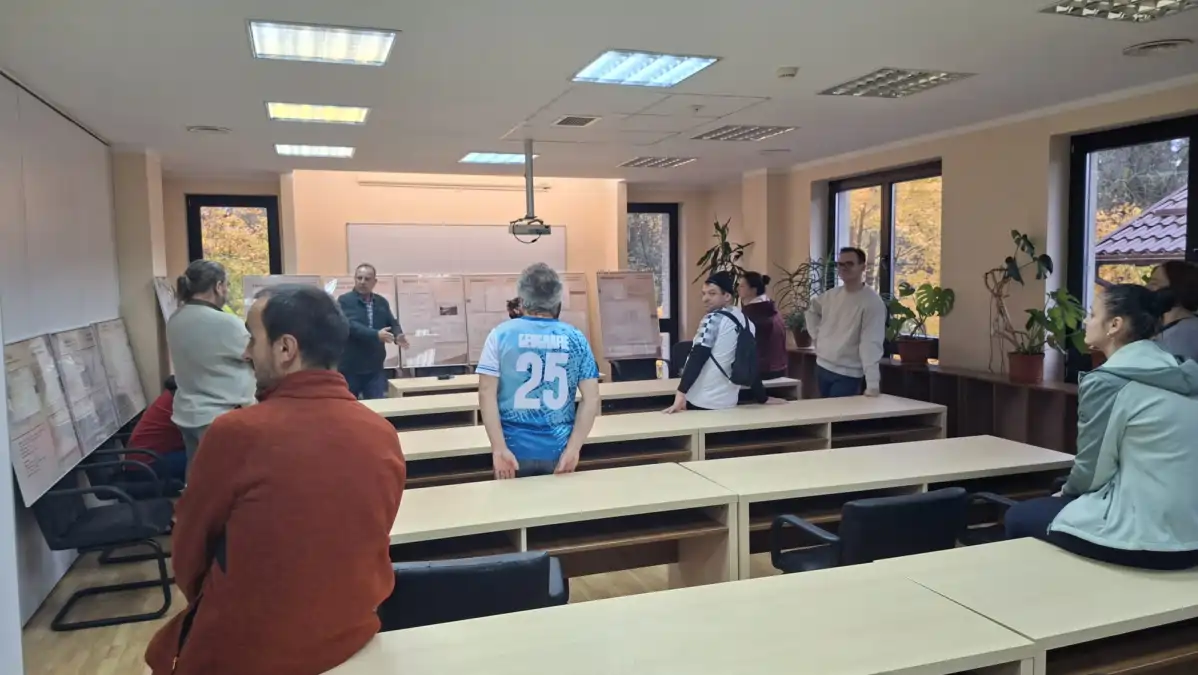
This scientific event is an initiative of the University of Suceava (Applied Sciences Doctoral School) in collaboration with the Geoconcept Association of Applied Geography, supported by the Past Global Changes (PAGES) and Ministry of Education and Research (Romania) and endorsed by Carpathian Climate and Environment Working Group-CarpClim (PAGES), Science for Carpathians (S4C) and the Carpathian Convention (CC).
Type of event:
The event is an open for any participants, including senior researchers, early-career scientists, stakeholders from Central and Eastern Europe and special guests. This format will ensure inclusive participation and interaction with diverse perspectives.
Topic of event:
CECCEE 2026 will bring together researchers, academics and other stakeholders aiming to examine past, present, and projected climate and environmental changes in Central and Eastern Europe, integrating paleoenvironmental records, modern observations, and societal implications to inform regional adaptation strategies and future research directions.
Timescales covered
The timescales covered include the Pleistocene, the Holocene and the Anthropocene, allowing for a comprehensive perspective on climate and environmental changes in the Central and Eastern regions of Europe
Overview
Central and Eastern Europe host a wide range of natural archives – including lake and peat sediments, speleothems, loess–paleosol sequences, tree rings, and archaeological records – which provide key insights into past climate and environmental variability. Despite this undisputed potential, to date the region remains comparatively underrepresented in large-scale syntheses of past global changes, as many datasets are still fragmented across national research communities.
The event aims to bring together researchers investigating past climate and environmental change across Central and Eastern Europe (CEE) in order to strengthen regional collaboration and enhance the integration of regional datasets into international, larger-scale research frameworks. The event will provide a platform for interdisciplinary exchange among scientists working with paleoenvironmental proxies, climate reconstructions, modeling approaches, and human-environment interactions.
The main objectives of the event are:
(1) to bring forward recent advances in reconstructing climate and environmental changes in Central and Eastern Europe (CEE);
(2) to encourage collaboration and data sharing among regional research groups;
(3) to explore the role of this region (CEE) in broader continental and global climate patterns;
(4) to identify future research priorities and opportunities for integration with international initiatives; and
(5) to support the participation and visibility of Ukrainian researchers whose scientific activity has been greatly affected by the ongoing war, by facilitating opportunities for collaboration, knowledge exchange, and integration into international research networks.
By providing a framework for dialogue between early-career and senior researchers, along with promoting interdisciplinary approaches, CECCEE 2026 aims to boost the visibility of Central and Eastern Europe within the global community of scientists studying past climate and environmental change.
Stakeholder engagement:
The CECCEE 2026 will actively engage external stakeholders to enhance the societal relevance and impact of discussions on climate and environmental change in CEE. In addition to the participating researchers working on past climate and environmental reconstructions, we plan to involve stakeholders from policy-making institutions, environmental management (including our cross-border initiative called the Carpathian Peace Park), and the civil society who are directly concerned with climate variability, ecosystem change, and climate adaptation and resilience in our region.
Potential stakeholders we intend to engage with for this meeting include: representatives from the national meteorological and environmental agencies, water management institutions, protected area administrations, NGOs concerned with climate and environmental changes (e.g., www.geoconcept.ro), institutions and organizations focusing on biodiversity conservation and sustainable land management, spatial and urban planners, journalists, entrepreneurs etc. Early-career researchers will be encouraged to interact with these stakeholders to better understand how scientific results can be integrated into policy and decision-making processes.
Stakeholder engagement will be facilitated through a dedicated session within the workshop entitled “From Climate Knowledge to Environmental Policy and Adaptation”, where they will also be invited to contribute short presentations highlighting current policy challenges, data needs and management/administration perspectives. The session will include a roundtable discussion designed to encourage dialogue between scientists and practitioners, which will help ensure that the scientific discussions during the CECCEE 2026 address real-world issues that we are currently facing as a society. The interaction will enable participants to identify research needs, knowledge gaps, and opportunities for translating paleoenvironmental and climate research results into information which can provide a science-based foundation for policy-making and management.
Diversity, equality and inclusion:
The CECCEE 2026 actively seeks to promote diversity, equality and inclusivity with regard to both participations in the meeting and scientific exchange. We strive for balanced representation in terms of gender, career stage and geographic distribution among invited speakers, session chairs and participants.
Particular attention will be given to encouraging the participation of early-career researchers, including PhD students and postdoctoral scientists, by providing opportunities for short presentations and involvement in discussions, so that ECRs can benefit as much as possible from networking opportunities and mentoring interactions with established scientists.
To actively support inclusivity, we will provide travel support where possible, particularly for participants from lower-income countries in the region. The workshop specifically focuses on Central and Eastern Europe (CEE), which remains underrepresented in major international research initiatives on past climate and environmental change. By bringing together researchers from across this part of Europe, the meeting aims to contribute to regional collaboration and provide a platform for scientists from countries with more limited access to international research networks and resources available for scientific investigations.
We are committed to ensuring that the event environment promotes respectful and constructive dialogue among participants from diverse backgrounds and disciplines. By creating an inclusive and supportive atmosphere, the objective of CECCEE 2026 is to encourage cooperation in the regional research community and foster long-term scientific partnerships.
Sustainability:
The Scientific and Local Organizing Committee (SSC/LOC) of CECCEE 2026 is steadfast on maintaining the environmental impact of the workshop activities as low as possible, and promoting sustainable practices among participants in the event. Several practical measures will be implemented:
i) Venue and Travel
We have selected a centrally located venue accessible by public transport to reduce emissions from individual car travel. Participants will be encouraged to use train or bus transportation whenever possible, especially for regional travel within CEE (e.g., from Ukraine, Republic of Moldova, Serbia etc).
ii) Hybrid Participation
To limit travel-related emissions, CECCEE 2026 provides a hybrid participation option with live streaming and unrestricted online access for both participants and the general public. This option will also increase inclusivity for participants who face travel or financial constraints.
iii) Digital Materials and Communication
All conference materials, including abstracts, programs and other resources, will be provided digitally to minimize printing. Interactive online platforms will be used for discussions and sharing research outputs (https://geoconcept.ro/ceccee2026/)
iv) Catering and Waste Reduction
Catering will prioritize locally sourced, seasonal and vegetarian/vegan options. As with previous events we have organised, reusable or compostable materials will be used for food service and coffee breaks.
v) Carbon Awareness and Offsetting
We will provide participants with guidance on low-carbon travel options and collaborate with local institutions to explore carbon offsetting for unavoidable travel.
vi) Sustainable Practices in Networking
Networking sessions will avoid single-use promotional items and instead focus on knowledge-sharing while reducing resource consumption.
Through these measures, CECCEE 2026 aims to reduce its direct environmental footprint, as well as to promote sustainable practices among the regional research community. By integrating sustainability into logistics, participation and engagement, the workshop will serve as a good practice model for environmentally responsible scientific meetings in Central and Eastern Europe.
Format
Hybrid (on-site and online)
The conference will bring together leading researchers and experts in geoscience and paleoscience from the Central and Eastern Europe (CEE) Region, as well as scientists from the international community.
We welcome both oral presentations (onsite or online) and posters.
The event will feature keynote lectures from well-respected scientists providing state-of-the-art overviews on topics of interest for this conference.
Publication
As regards the publication of relevant contributions presented at CECCEE 2026, we have established an agreement with the Quaternary Journal (WoS) to publish a volume dedicated to this region.
Based on our experience from previous conferences and workshops, we expect that, provided a sufficient number of high-quality contributions are submitted for the conference, we will be able to publish a special volume with Quaternary Journal. We have had a successful collaboration with QI in the past which enabled us to publish three volumes comprising contributions to our scientific events (e.g. Quaternary International).
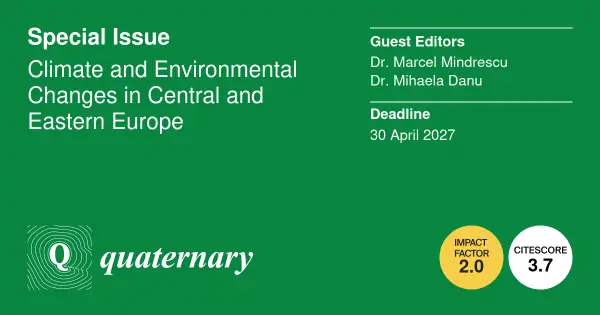
Special Issues:
Climate and Environmental Changes in Central and Eastern Europe
Proposed keynote /invited speakers:

Angelica FEURDEAN, Goethe University Frankfurt, Germany
Angelica Feurdean is a paleoecologist and research professor at Goethe University Frankfurt, Germany, with an extensive international research profile in Quaternary sciences and environmental change. Her work integrates multi‑proxy paleoecological methods-including pollen analysis, charcoal morphology, and climate reconstructions-to study past vegetation dynamics, fire regimes, and ecosystem responses to climatic and anthropogenic forcing across Europe and beyond. She has contributed to advancing our understanding of Holocene forest–grassland dynamics, wildfire histories, and long‑term biodiversity patterns, often in collaboration with European and global research networks. Feurdean’s research also spans studies on the influence of fire on grassland expansion and the transformation of forest‑steppe ecotones over millennia, making significant contributions to the field of paleoenvironmental reconstruction.

Sorin CHEVAL, National Meteorological Administration, Romania
Sorin Cheval is a senior climate scientist at the National Meteorological Administration (ANM) in Romania, specializing in climatology and climate change. He studies climate variability, climate risks, and the impacts of climate change-especially in urban environments-at regional and local scales. Dr. Cheval leads and contributes to several international research projects on climate adaptation and resilience, such as CARMINE, CROSSEU, and OptFor‑EU, and has published extensively in peer‑reviewed journals. He also teaches climate science courses at multiple universities and serves as President of the Romanian Association for Applied Meteorology and Education (ARMAE).
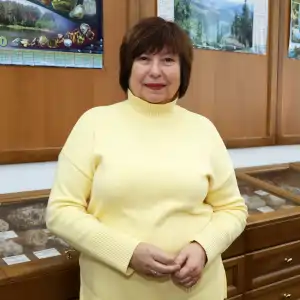
Natalia GERASIMENKO, University of Kiev, Ukraine
Natalia P. Gerasimenko is a Ukrainian paleoecologist and Professor in the Department of Earth Sciences and Geomorphology at Taras Shevchenko National University of Kyiv. She specializes in Quaternary paleoecology, paleogeography, and environmental reconstruction, with a strong focus on pollen analysis, loess-paleosol sequences, and vegetational history to understand past climate and landscape changes across Ukraine and Eastern Europe. Her research has explored Late Pleistocene and Holocene vegetational and soil dynamics, environmental shifts in forest‑steppe and steppe regions, and the interactions between climate change and ancient ecosystems, contributing significant insights to the field of paleoenvironmental science. Professor Gerasimenko also serves on editorial boards in her discipline and has been involved in both national and international paleoecological research efforts.
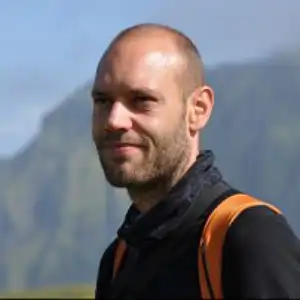
Ladislav HAMERLÍK, Univerzita Mateja Bela, Banská Bystrica, Slovakia
Ladislav Hamerlík is a paleoecologist and lecturer at the Department of Biology and Ecology, Faculty of Natural Sciences, Matej Bel University in Banská Bystrica, Slovakia. He is an expert on the ecology and taxonomy of Chironomidae (non‑biting midges), a group of aquatic insects widely used in paleoecological and paleolimnological research as biological indicators of past environmental and climate change. His research explores chironomid assemblages in lake and river sediments to reconstruct historical ecosystem dynamics, biodiversity, and responses of freshwater environments to both natural and anthropogenic stressors. Professor Hamerlík has published numerous studies on chironomid distribution, diversity, and their application in climate and environmental reconstructions across alpine, temperate, and urban waterbodies.
Exhibition:
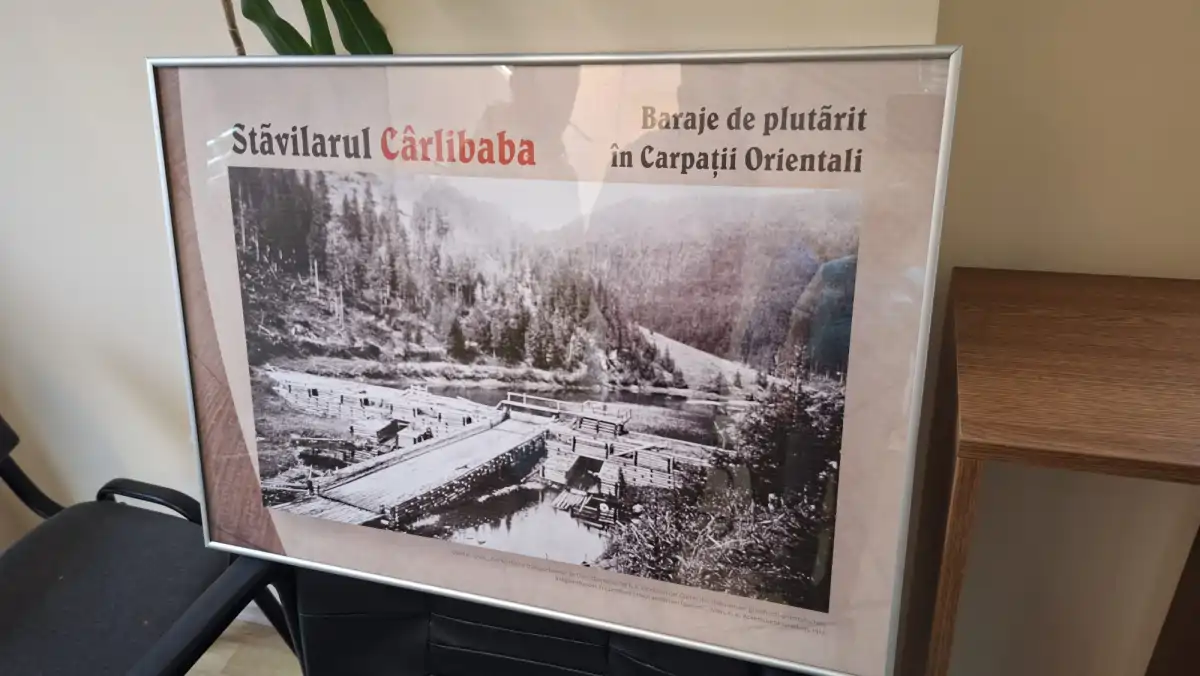
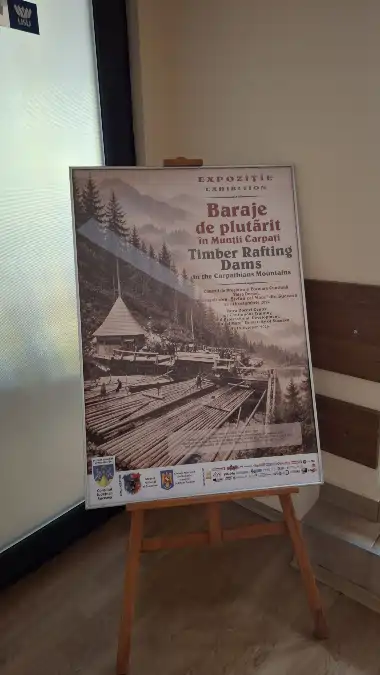
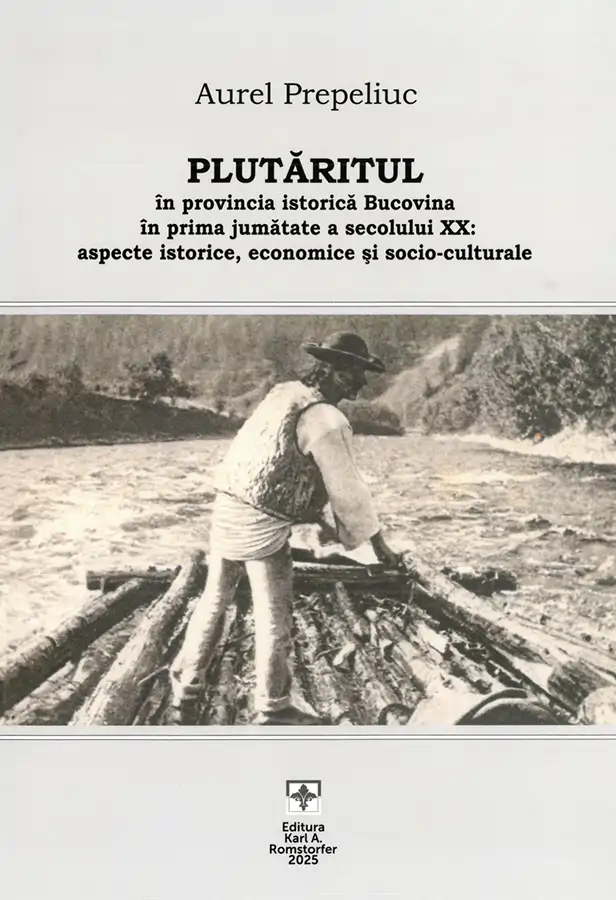
Timber Rafting Dams in the Romanian Carpathians
Barajele de plutărit din Carpații Românești
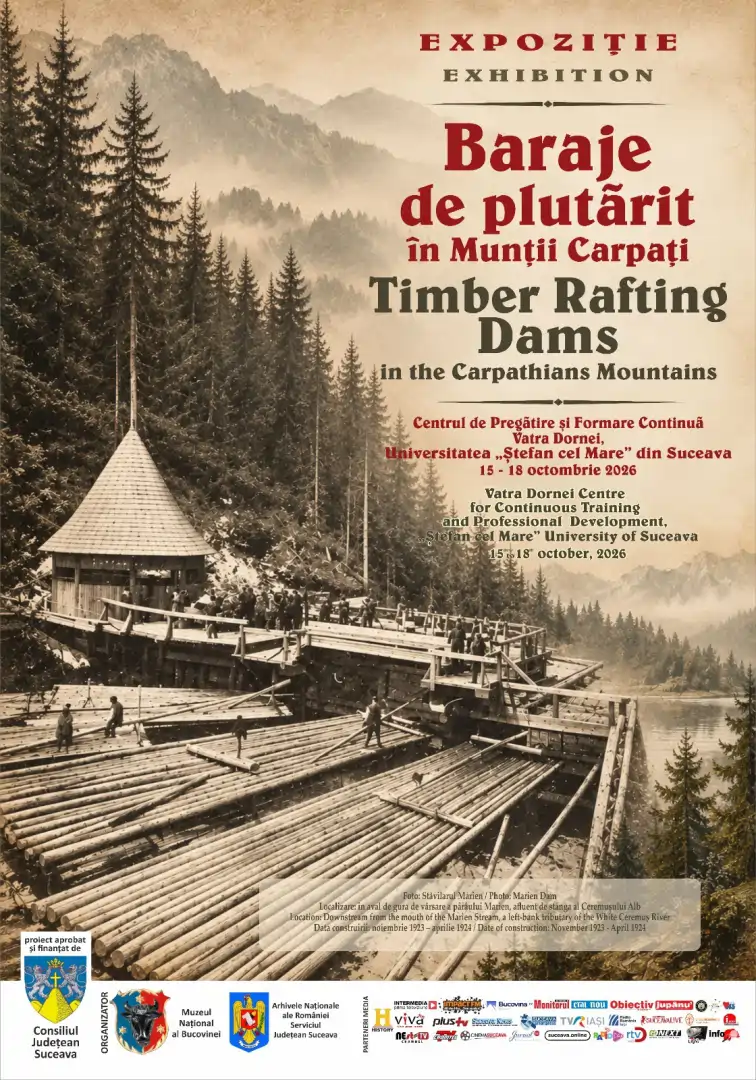
As part of the scientific event, an exhibition of vintage photographs and sketches on timber rafting in the Romanian Carpathians, curated by museum specialist Aurel Gheorghe PREPELIUC, will take place
Exhibition Theme:
Timber Rafting Dams in the Romanian Carpathians/ Barajele de plutărit din Carpații Românești
Author of the exhibition: Aurel Gheorghe Prepeliuc
Aurel Gheorghe PREPELIUC graduated from “Ștefan cel Mare” University of Suceava, where he also earned his Ph.D. in History. Since 1997, he has served as a curator at the National Museum of Bukovina and is an expert ethnographer in mobile heritage, specializing in wooden artifacts and traditional architecture of Bukovina. He authored the book Rafting in the Historical Province of Bukovina in the First Half of the 20th Century: Historical, Economic, and Socio-Cultural Aspects (2025), along with numerous studies on timber rafting, traditional technical installations, and folk architecture.
Registration and abstract submission
For registration
please send an email including the title, authors and abstract of your presentation at mindrescu@atlas.usv.ro
For any questions and details
please contact us by email at mindrescu@atlas.usv.ro
Registration dates:
Early-bird registration – 1st September 2026
Late registration – 1st October 2026
Abstract instructions:
Abstracts will be submitted upon registration. Abstracts must contain the email addresses and affiliations of all authors.
Acceptance notifications will be sent to participants after submission by email.
Abstracts will range from 1 to 4 pages (extended abstracts) for both oral and poster submissions.
Authors are advised to use the following formatting settings:
- Font: Times Roman, 12 point (text, figure and table captions, references etc.)
- Line spacing: double-spaced
- Page size: A4
- Margins: 1 inch on all sides
- Paragraph indentation: 0.5 inches (or press Tab once)
- For extended abstracts, electronic artwork and tables will be embedded in text.
All accepted abstracts will be published in a book of abstracts as a special issue of Geoconcept Journal: https://geoconcept-journal.com/index.php/geo and will also be available online.
Registration fee
The onsite conference registration fee for CECCEE 2026 covers:
- registration costs(conference materials)
- all costs for accommodation, meals, and coffee breaks for the duration of the conference (except field trip).
Registered participants will only need to cover their transportation.
Amount:
- EUR 50 (RON 250)
The registration fee can be paid using one of the options provided below:
- Paypal (EUR)
- IBAN: RO07BTRL03404201198285XX
Bank name: BANCA TRANSILVANIA.
Bank BIC/SWIFT Code: BTRLRO22
Account holder: Marcel MINDRESCU - Bank transfer (EURO or RON)
ASOCIATIA DE GEOGRAFIE APLICATA GEOCONCEPT
On-site at arrival in Vatra Dornei (RON and EUR)
Important
Early-career researcher (ECR) grants
We offer partial or full financial support for early-career researchers (under 35) who apply to participate in CECCEE 2026. The number of grants will range depending on the number of applicants and the quality of their submitted work.
Applicants for grants (covering registration fee and/or transportation costs) are required to specify their age and to submit the title and abstract of their presentation no later than 1 October 2026.
Official Language
The official language of the conference is English and Romanian. Translation facilities will only be provided by request or for other planned events/visits involving the local community.
Special requests
Participants who have specific dietary restrictions or requirements are kindly asked to communicate this upon registration.
We would like to inform you that we provide accommodation in twin rooms. Participants who prefer to occupy a single room will pay a supplementary accommodation fee. However, we do not encourage this due to the limited number of rooms available at the venue.
If supplementary rooms are necessary, we will make arrangements with hotels located in the vicinity. However, these costs are not included in the registration fee and will be paid separately.
How to get there

Distance Education and Long-Life learning Office Vatra Dornei, University of Suceava
Centrul de Pregatire si Formare Continua Vatra Dornei, Universitatea Suceava
Address:
Strada Parcului 2, Vatra Dornei 725700, Suceava county, Romania.
Coordinate: 47.3418816, 25.3574445
WEB
Preliminary program
| 15 October 2026 | Arrival and check-in. Registration. |
| 16 – 17 October 2026 | Presentations and field activity |
| 18 October 2026 | Check-out and departure |
Further information
concerning the detailed program of the conference, the field trip costs and other details of interest will be included in the Second Circular or provided on request by email as soon as they are available.
Detailed information regarding the accommodation arrangements per rooms will be provided by email.
Conference Organizing Committee
Chairman
Marcel MINDRESCU
Department of Geography, University of Suceava, Romania, and Geoconcept Association of Applied Geography, Cârlibaba (Fluturica), Suceava, Romania
+40 742 051 475
mindrescu@atlas.usv.ro
Vice Chairmen
Laura BOURIAUD
Forestry Department, University of Suceava, Romania.
laura.bouriaud@usm.ro
Máté KARLIK. HUN-REN Research Centre for Astronomy and Earth Sciences-Institute for Geological and Geochemical Research, Budapest, Hungary and HUN-REN CSFK, MTA Centre of Excellence, Budapest, Hungary
karlikmate@gmail.com
Secretary
Ionela GRADINARU
Geoconcept Association of Applied Geography, Romania, Cârlibaba (Fluturica), Suceava, Romani
ionela.gradinaru@gmail.com
Logistics manager
Diana ISTRATE. Geoconcept Association of Applied Geography, Cârlibaba (Fluturica), Suceava, Romania / “Mihai Eminescu” Theoretical High School, Bârlad (LTME), Vaslui, Romania
diana.istrate27@gmail.com
Scientific Committee
Angelica FEURDEAN
Department of Physical Geography, Goethe University, Frankfurt am Main, Germany. angelica.feurdean@gmail.com
Marie-France LOUTRE
Past Global Changes (PAGES), Bern, Switzerland.
marie-france.loutre@pages.unibe.ch
Laura BOURIAUD
Forestry Department, University of Suceava, Romania.
laura.bouriaud@usm.ro
Natalia GERASIMENKO
Taras Shevchenko University of Kyiv, Ukraine.
n.garnet2@gmail.com
Bogdan RIDUSH
Yuriy Fedkovych Chernivtsi National University, Chernivtsi, Ukraine.
bridush@gmail.com
Emmanuel CHAPRON
Toulouse-Jean Jaurès University, Department of Geography, France.
emmanuel.chapron@univ-tlse2.fr
Heitor EVANGELISTA
Rio de Janeiro State University, Rio de Janeiro, Brazil.
evangelista.uerj@gmail.com
Slobodan B. MARKOVIĆ
Department of Physical Geography, Faculty of Sciences, University of Novi Sad, Serbia. baca.markovic@gmail.com
Simon HUTCHINSON
School of Environment & Life Science, University of Salford, United Kingdom.
S.M.Hutchinson@salford.ac.uk
Juliana NOGUEIRA
Czech University of Life Sciences Prague, Czech Republic and Rio de Janeiro State University, Rio de Janeiro, Brazil.
junogueira@id.uff.br
Gabriela FLORESCU
University of Suceava, Department of Geography, Romania.
gabriela.florescu@usm.ro
Máté KARLIK. HUN-REN Research Centre for Astronomy and Earth Sciences-Institute for Geological and Geochemical Research, Budapest, Hungary and HUN-REN CSFK, MTA Centre of Excellence, Budapest, Hungary
karlikmate@gmail.com
Piotr KŁAPYTA
Jagiellonian University, Poland.
woytastry@gmail.com
Emil GACHEV
South-West University “Neofit Rilski”, Bulgaria.
e_gachev@yahoo.co.uk
Sorin CHEVAL
National Meteorological Administration, Romania
sorincheval@yahoo.com
Mariusz GAŁKA
University of Łódź, Poland
mariusgalka@amu.edu.pl
Ladislav HAMERLÍK
Univerzita Mateja Bela, Banská Bystrica, Slovakia
ladislav.hamerlik@umb.sk
Katrin MEISSNER
University of New South Wales, Australia
k.meissner@unsw.edu.au
Phillip HUGHES
Manchester University, UK
philip.hughes@manchester.ac.uk
Supported by:




Institute for Geological and Geochemical Research

HUN-REN Research Centre for Astronomy and Earth Sciences


Group of Scientists in the Field of Earth and Life Sciences from Romania


Bankwatch Romania
Sponsored by:

Raitar